Technical reference and worked-example guide
PLC Structured Text guide: field reference
Direct answer
The reader can connect sequential source statements to cyclic controller execution and test state, type, loop and boundary behavior explicitly.
Written for pLC programmers using Structured Text for conditions, calculations, arrays, loops, functions, state logic and mixed-language projects.

Definition
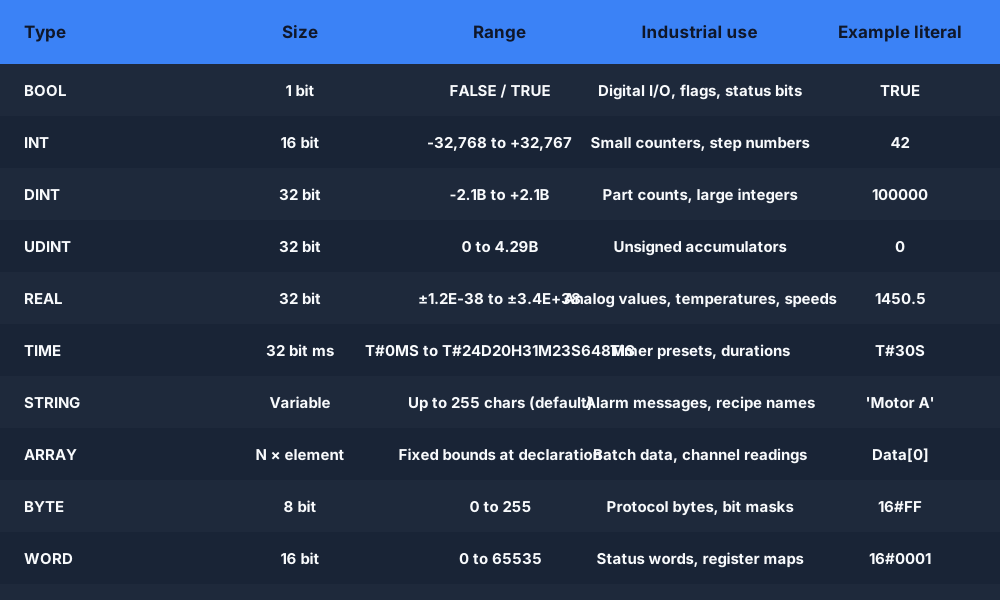
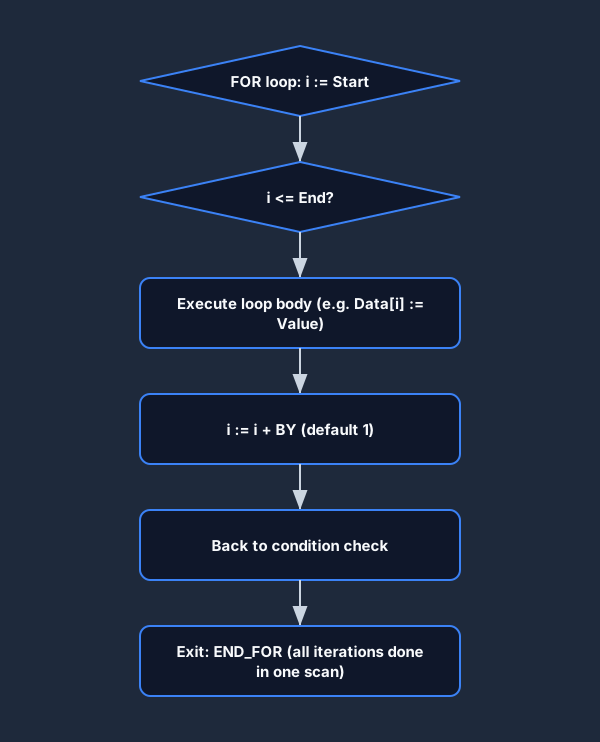
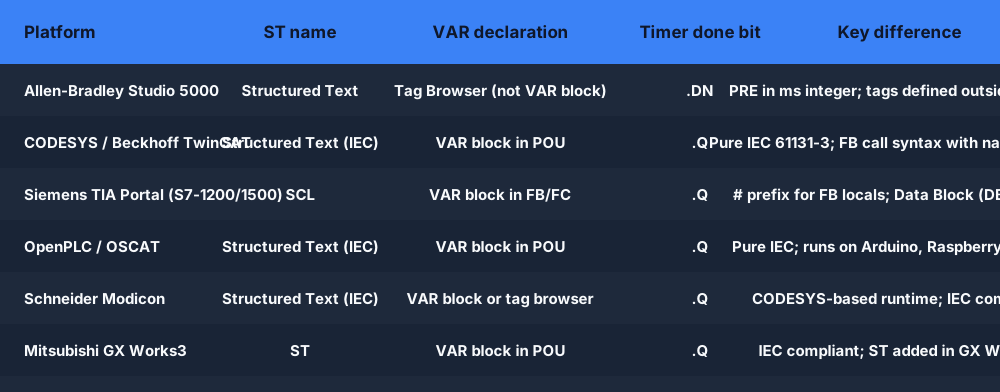
Target runtime, task or program call, variable scope, data types, initialization, expression order, conditions, loops, functions, state ownership, I/O mapping and restart.
Signal path
Field or operator input through task invocation, sequential statements, stored variables, final output owner, physical response and independent feedback.
Worked example
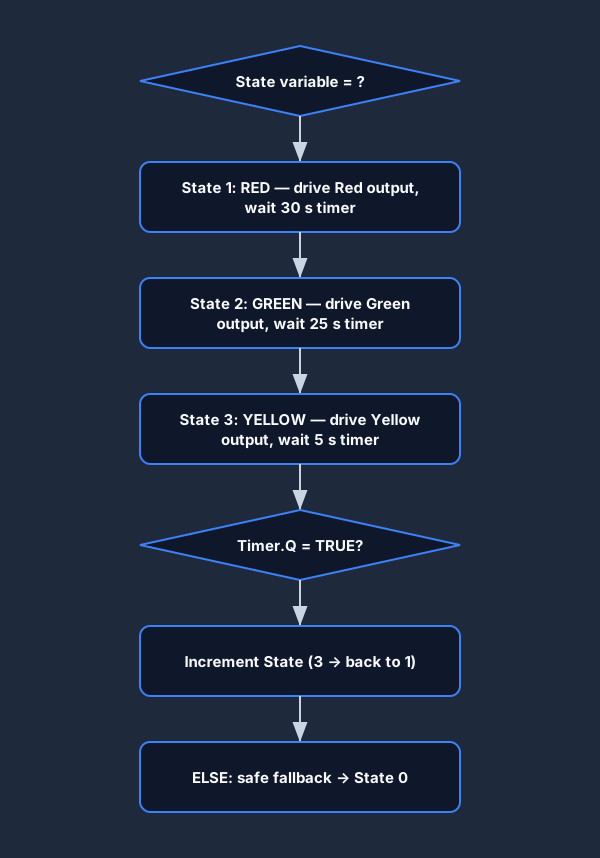
One conditional, calculation, loop and state-machine example executed from declared values with repeatable outputs.
Limits
Minimum and maximum values, conversion, overflow, empty array, loop bound, divide by zero, skipped call, simultaneous inputs and power return.
Common mistake
A syntax, type, initialization, scope, order, loop, state-owner, task or I/O mapping mismatch.
Verification
The code compiled with warnings reviewed and regression-tested in the intended controller and task context.
What is Structured Text in PLC programming?
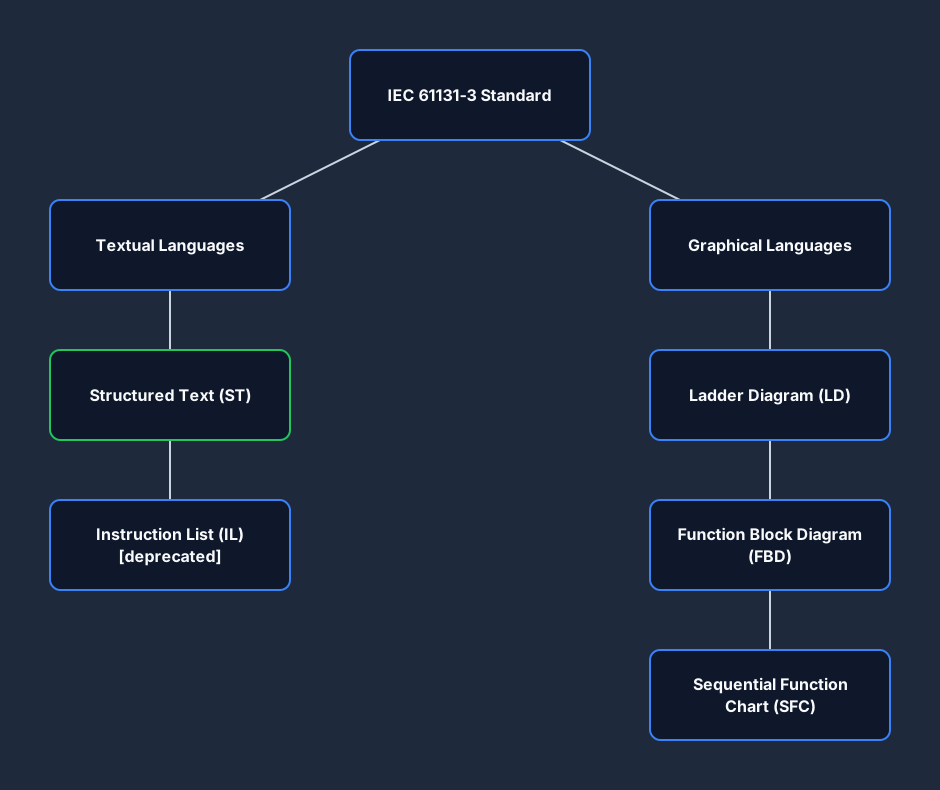
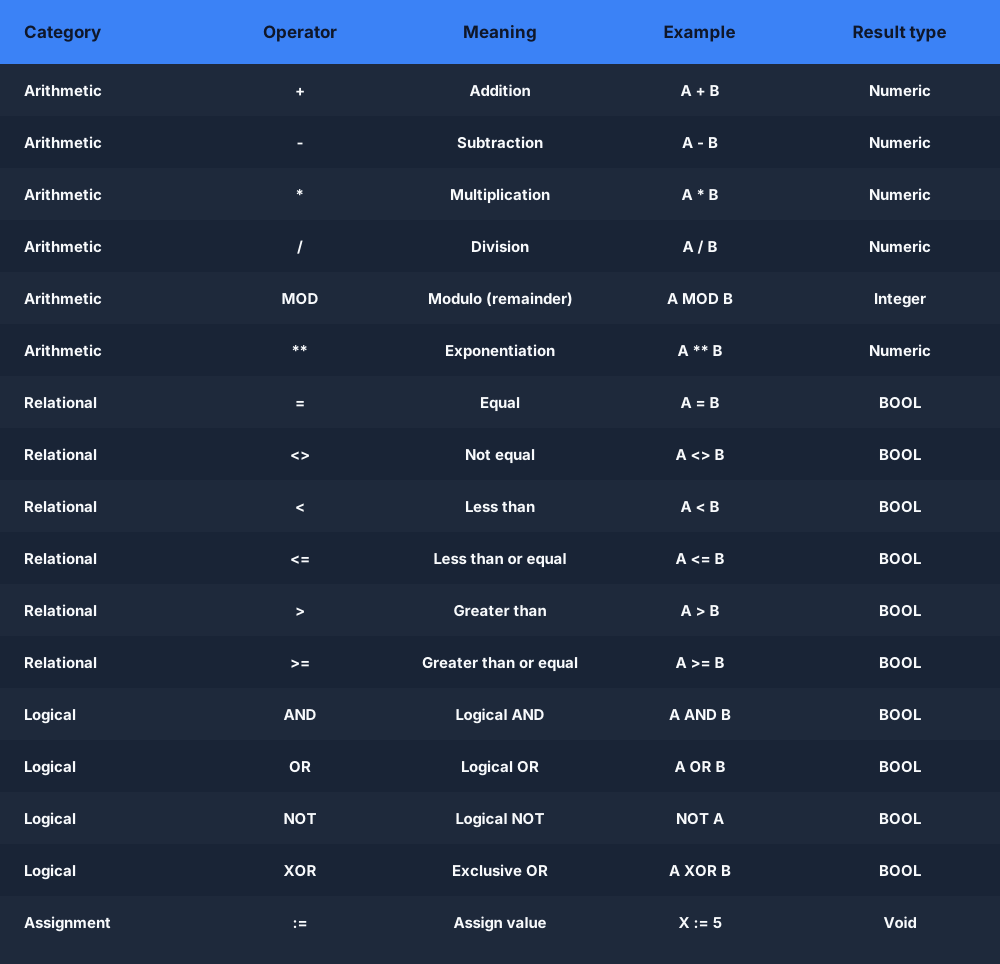
Structured Text is an IEC 61131-3 textual language for controller programs, using assignments, expressions, conditions, loops and program-organization units.
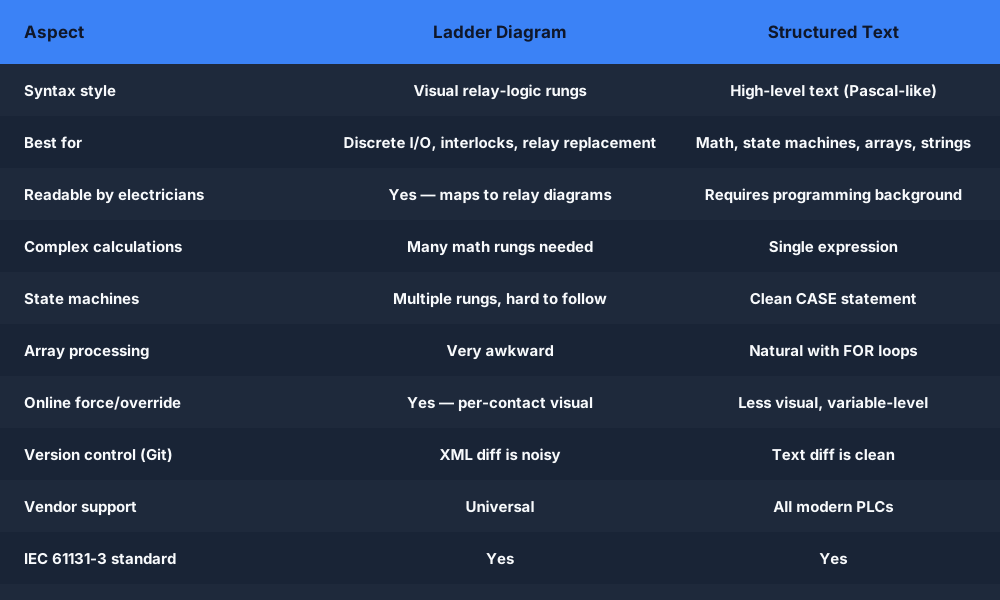
Is Structured Text better than ladder logic?
It is often clearer for data and algorithms, while ladder can be accessible for discrete interlocks; choose by task, team and lifecycle evidence rather than one universal rule.